The Problem This Guide Helps You Solve
A move beyond a prior high or low may be a breakout rather than a reversal. Check what price does after the signal instead of entering on the wick alone.
Sweep Confirmation Workflow
Work through these checks in order. The examples explain a process; they are not instructions to place a trade.
1. Level Qualification
Only treat sweeps as tradable near clear liquidity pools.
2. Reclaim Evidence
Require reclaim and acceptance behavior after the sweep.
3. Controlled Entry
Define invalidation beyond sweep extremes with fixed risk size.
Sweep Scenarios
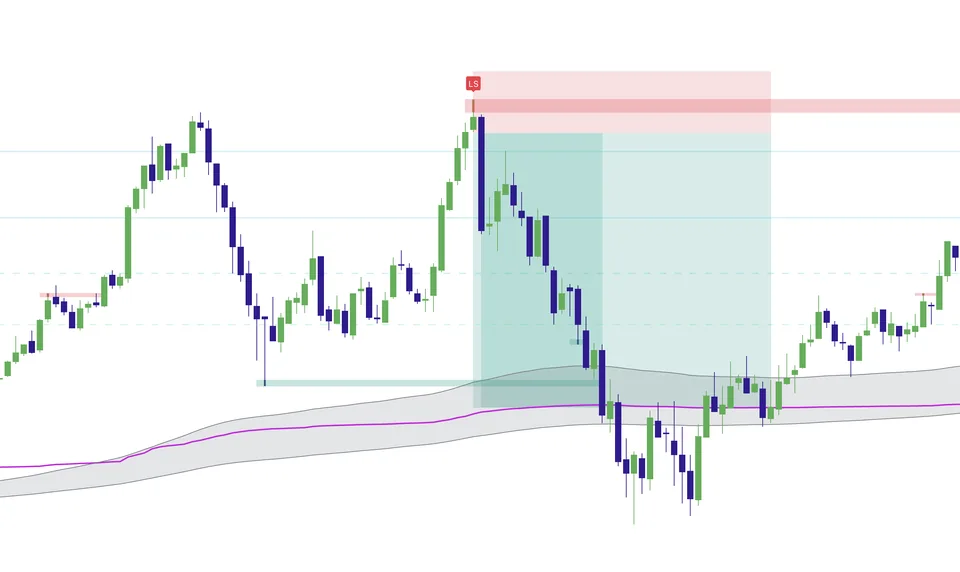
Failed High Sweep
A high sweep rejects and confirms downside rotation potential.
Reclaimed Low Sweep
A downside sweep is reclaimed and supports reversal into value.
Common Execution Mistakes To Avoid
-
Entering before reclaim confirmation.
-
Ignoring volatility shifts around news windows.
-
Using fixed stops without structural context.
See the Elev8+ indicators on a chart and compare a sweep signal with what price does next. The walkthrough helps you evaluate the tools; it is not a promise of a winning setup.
Related Guides
-
The Elev8+ Indicator Suite: What Each Tool Does
Compare the roles of Elev8+ Pro, Market Map, Market Extremes, VWAP Deviation, Reversal Blocks, Real FVG, and Momentum Gaps before building your chart.
-
Choosing TradingView Indicators for NQ Futures
The best NQ indicator setup for your workflow answers distinct questions: where price is, which level matters, and whether your setup has formed. Start with those questions, not a screen full of signals.
-
How to Compare TradingView Reversal Indicators
There is no reversal indicator that works in every market. Compare what triggers the signal, when it appears, and how it behaves during a strong trend.
-
TradingView Exhaustion Indicators: Read the Warning
Exhaustion indicators flag conditions that may suggest a move is stretched or slowing. A warning is a reason to review price action, not an automatic reversal trade.
Further Reading
About this guide
Published by Elev8+ Trading to explain trading concepts and our products. Elev8 sells the tools linked here; these guides are not independent product rankings or personalized financial advice. Chart examples illustrate a process, not audited trading results.
Dates identify substantive content updates, not a claim of independent expert review. Check current exchange, broker, and prop-firm rules before relying on a calculation. Ask a question or report a correction.