Who This Is For
- NQ traders building a preparation routine before the open.
- Traders learning to connect price levels with written entry rules.
- Anyone reviewing trades against a consistent checklist.
Liquidity Sweeps
A liquidity sweep briefly moves beyond a recent high or low. Learn to distinguish a possible failed breakout from a move that keeps going.
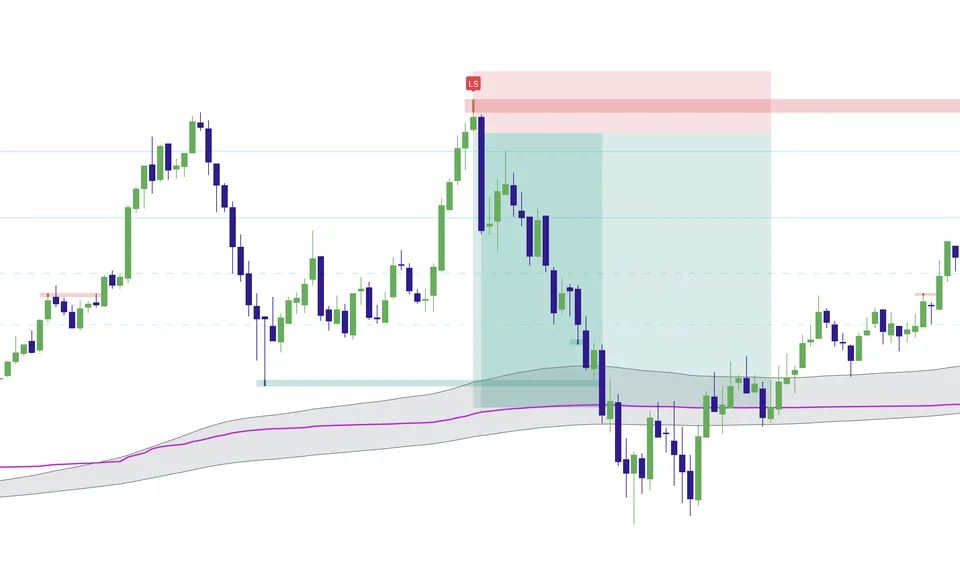
Liquidity sweep chart showing reclaim and invalidation levels.
What You Will Learn
A liquidity sweep describes price moving beyond a reference high or low. It does not prove who traded there or guarantee that price will reverse. The actionable distinction is what happens next: rejection back through the level, acceptance beyond it, or inconclusive rotation. This guide separates those observations so an attractive historical chart does not become a promise about the next setup.
Work through these checks in order. The examples explain a process; they are not instructions to place a trade.
Choose a prior swing or session level and write down why it matters. If you only draw the line after a reversal, you cannot evaluate whether the setup was identifiable in advance. Keep the selected session and chart timeframe consistent.
Watch whether price briefly crosses the level and returns, or continues to hold beyond it. The first is evidence to evaluate for a failed breakout; the second may invalidate that idea. A wick alone is not proof of institutional activity or a complete entry rule.
Use your defined confirmation sequence and inspect any indicator markers in that context. Before considering an entry, identify the price that would contradict the idea and calculate size for that stop distance. A marker cannot make an oversized trade acceptable.
Save the level, sequence, planned invalidation, and actual outcome. Include breaks that never reclaimed and cases where the stop distance exceeded your budget. A collection of only successful reversals cannot tell you how the approach behaves across sessions.
Price trades above a prior high, then returns below it and meets your confirmation rule. That is a sequence worth evaluating against your written plan. It still needs a defined stop and size, and it may lose even when every condition is present.
Price breaks above the high and remains above it. Calling the initial move a sweep does not justify repeatedly shorting the new high. If the reclaim or rejection in your plan never occurs, the setup has not completed.
A sharp rejection can leave the nearest defensible invalidation far from the intended entry. If the resulting risk does not fit even one contract, the existence of a pattern does not fix the sizing problem.
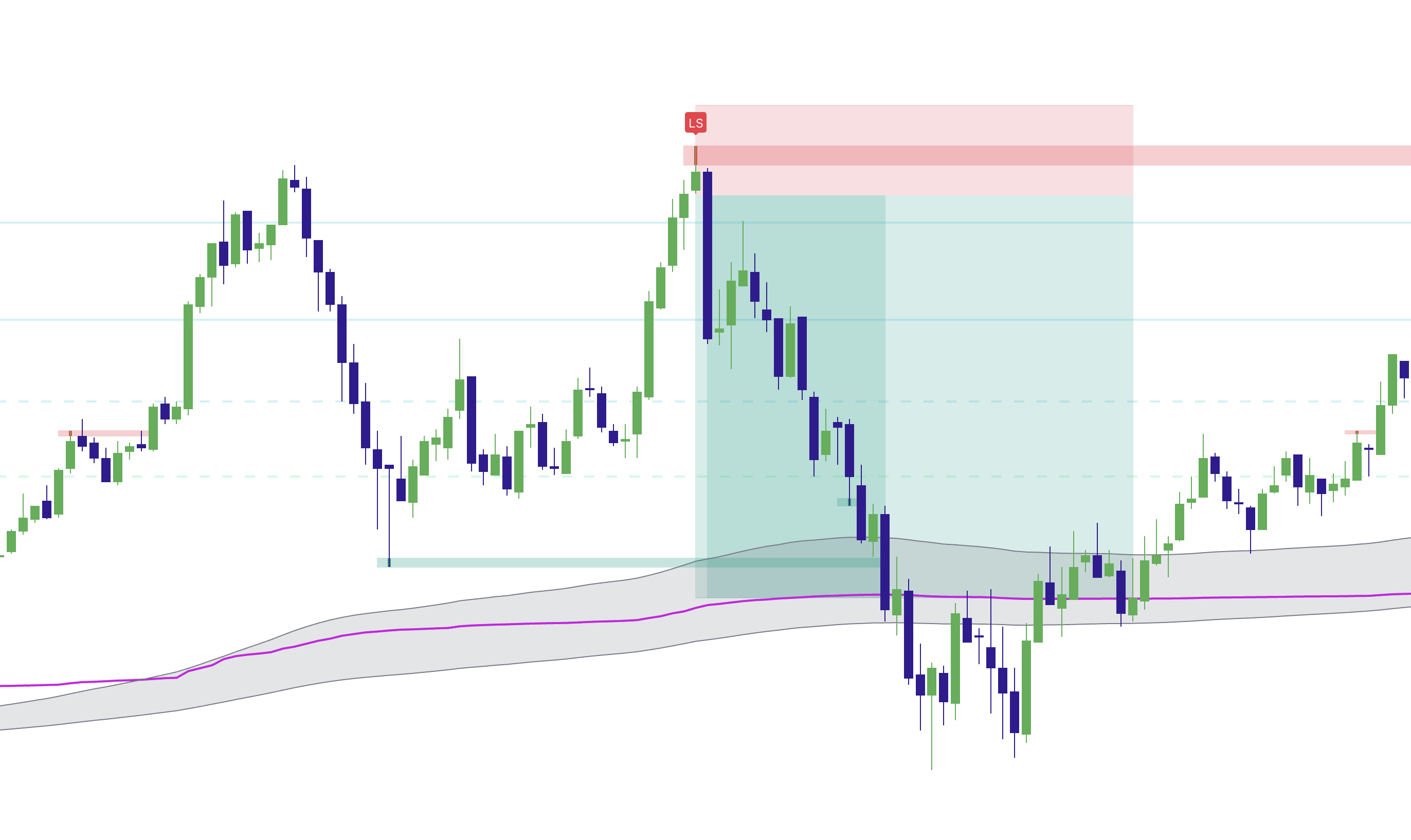
The earlier peak supplies context for the later test. Identify the reference before evaluating the later marker.
The marked move crosses the prior high and is followed by a decline. Study the price sequence, not just the presence of the label.
An illustrated entry, stop, or target does not establish the prices a real account could have filled. Include failed examples in your review as well.
Review conditions in Market Health and mark the levels you want to watch. A move through a level still needs to meet your entry rules before you trade.
Want to see analysis on your chart? Watch the Elev8+ indicator walkthrough to compare the separate TradingView subscription.
Published by Elev8+ Trading to explain trading concepts and our products. Elev8 sells the tools linked here; these guides are not independent product rankings or personalized financial advice. Chart examples illustrate a process, not audited trading results.
Dates identify substantive content updates, not a claim of independent expert review. Check current exchange, broker, and prop-firm rules before relying on a calculation. Ask a question or report a correction.
Next Step
Use Market Health for session preparation and the free email course to learn how to read levels, signals, and potential exits.
Daily levels and context from Market Health
Free lessons on chart analysis and risk